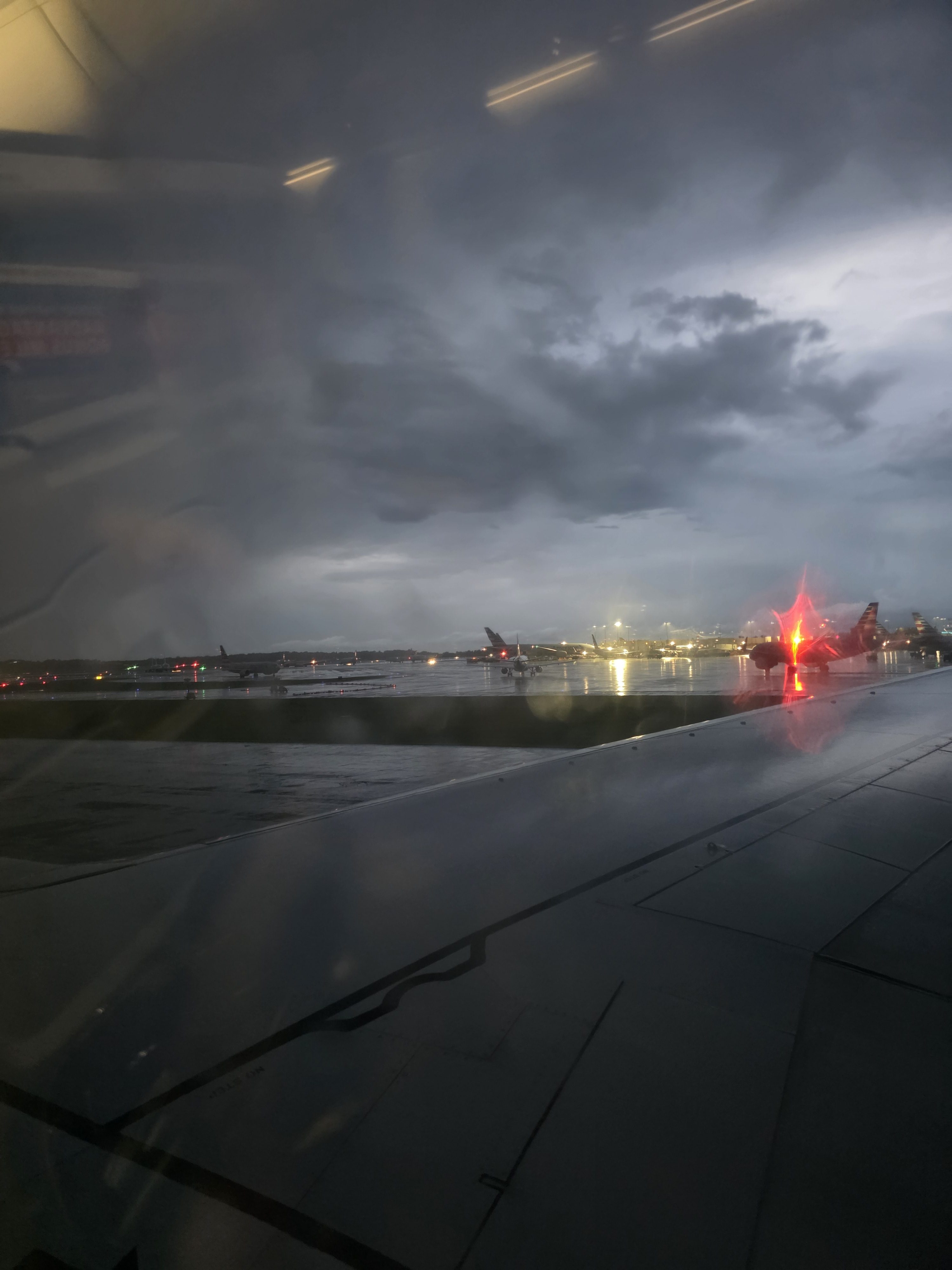
Life lately has been shaped by an experience from about a week ago, one that has stayed with me far longer than the travel itself. It started on the ground in Hartford, where the airline knew bad weather was moving in but boarded us anyway. Only after we were seated did they announce the delay. So before we even left the ground, my nerves were already stretched thin. That kind of uncertainty sits in your body.

By the time I reached my connecting flight into Charlotte, I just wanted to get home. I usually fly First Class out of necessity, not because I am bougie or trying to make a statement. The extra space is how I manage claustrophobia and keep my nervous system steady. But choosing an earlier connection meant flying coach, an economy window seat that was tight and narrow and already a compromise.
The seat in front of me was broken and reclined farther than it should, pressing into my legs and shrinking what little space I had left. When we landed in Charlotte, I expected relief. Instead, we stopped and stayed stopped. Three hours on the ground. Doors closed. No movement. No timeline. Just waiting in a space that kept closing in.
Claustrophobia is an invisible disability, quiet and internal and often misunderstood. It is the kind you learn to mask because showing it can make things worse. On that plane, I could not ask for help. I could not even let my anxiety show in the slightest. I sat there trying to look composed while my body was doing everything it could not to panic. My breath tightened. My chest buzzed. My mind searched for an exit that did not exist.
What the crew offered felt like surface-level care, a cup of water, some extra pretzels, a polite smile meant to reassure. As if that was enough for someone trapped in a space that was actively triggering them. As if comfort snacks could touch the kind of distress that does not show up on the outside.
And I am sure I was not the only one.
Experiences like mine are not rare. They are simply unseen. Invisible disabilities like claustrophobia, panic disorders, sensory sensitivities, and chronic anxiety rarely receive the same urgency or legitimacy as visible medical needs. Airlines have built entire systems around what they can easily identify and almost none around what passengers quietly endure.
There are no protocols for panic.
No training for claustrophobia.
No recognition that a broken seat, a tight cabin, or a three hour ground hold can become a genuine health crisis.
No understanding that “just wait” can be dangerous for someone whose nervous system is already frayed.
Passengers like me are left to mask, minimize, and manage alone.
Life lately has been about naming that truth. About acknowledging that what happened was not just uncomfortable. It was destabilizing in a way that lingers. My nervous system did not just react in the moment. It is still unwinding from hours of being trapped, dismissed, and expected to endure what my body simply could not.
And it has left me with a question I have been sitting with all week.
Why do I still fly?
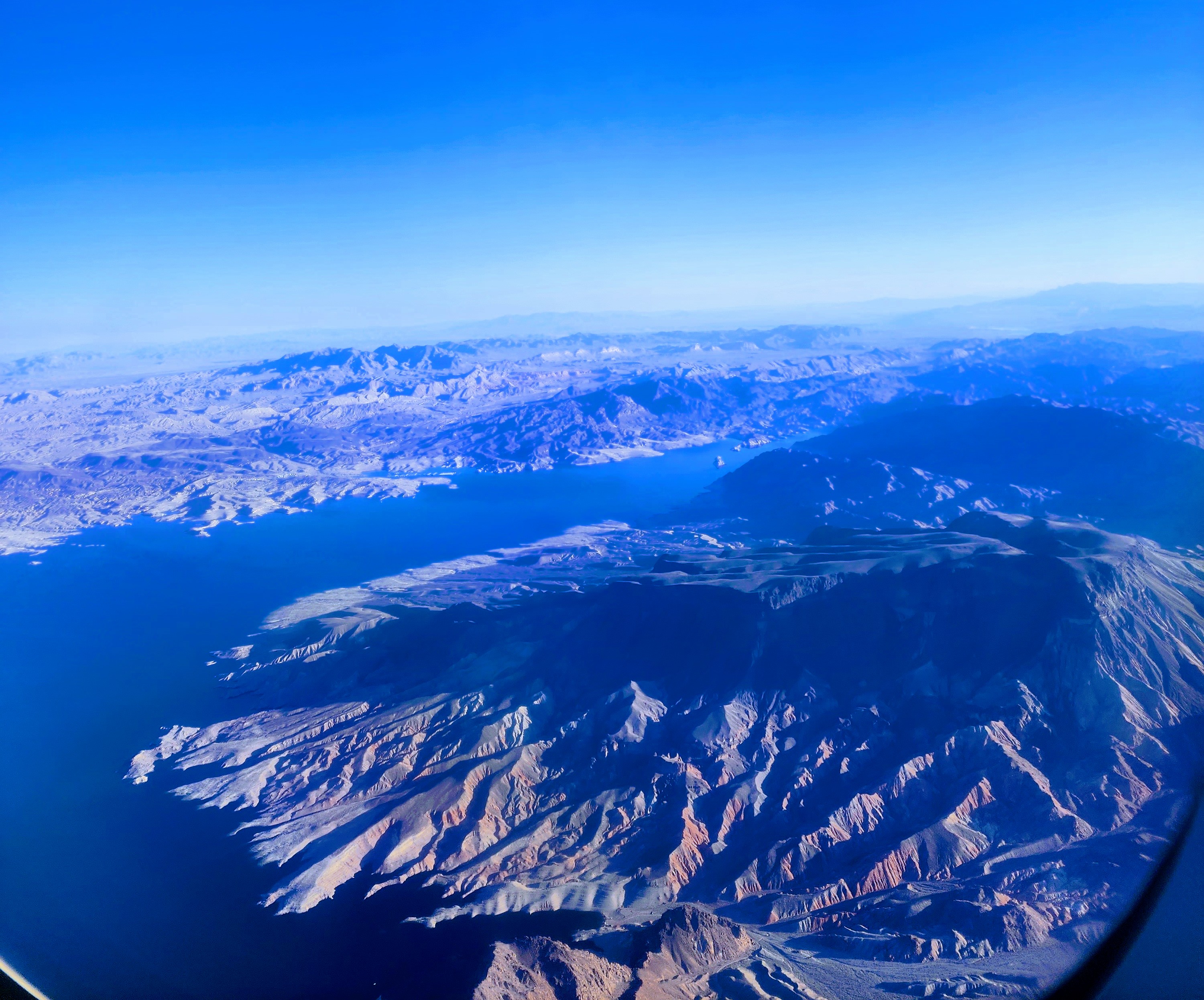
The answer is layered. I fly because it is how I remind myself that I am bigger than my fear. Avoiding the sky would make the fear louder, not smaller. Every time I board a plane, even when it is hard and even when it tests me, I am choosing courage over limitation.
But choosing courage should not mean choosing harm.
I’m sharing my truth, not just for myself but for anyone who has ever sat in a cramped seat trying to breathe through a moment that no one else recognized as an emergency. It is about saying out loud that invisible disabilities deserve visible care. That safety is not one size fits all. That airlines must evolve beyond the narrow definition of what distress looks like.
This time next week, I’ll be in the air again…learning how to trust the sky again, one flight at a time.
With courage,
Erneshia

Leave a Reply